28903
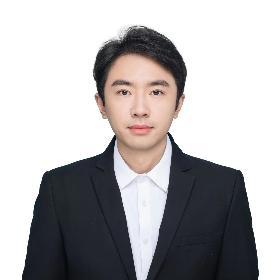
Hao Wan Professor/Doctoral and Master's Supervisor The Hao Wan Lab, Precision Nutrition Laboratory, College of Food Science, Nanchang University
The group leader, Hao Wan, is currently the vice dean of the School of Food Science at Nanchang University, a professor at the National Key Laboratory of Food Science and Resources and the School of Food Science. He also serves as the vice chairman of the Jiangxi Province Committee for the Integration of Medicine and Food, and has been selected for the "National Overseas High-Level Talent Introduction Plan - Youth Project". He is the principal investigator for several significant research grants including the National Natural Science Foundation of China (General Program), the National Natural Science Foundation of China (Youth Program), the Outstanding Youth Fund of Jiangxi Province, the Key Project Fund of Jiangxi Province, and the National High-Level Talent Entrepreneurship and Innovation Fund of Jiangxi Province. Professor Wan's research spans across food science, analytical chemistry, materials chemistry, and life sciences, focusing on cutting-edge interdisciplinary studies that closely link scientific research with the improvement of human health. His main research interests include stabilization and precise delivery of bioactive components, food proteomics, construction of biomimetic delivery carriers, and their applications in disease treatment. Up until 2024, his representative research findings have been published as the first author, co-first author, or corresponding author in prestigious journals such as Nature Methods, Nature Communications, Cell Biomaterials, PNAS, Advanced Materials, ACS Nano, Advanced Functional Materials, Advanced Science, Biomaterials, Journal of Controlled Release, Advanced Healthcare Materials, Food Chemistry, among others, accumulating over 6000 citations. He has applied for and been granted 8 patents, including 3 international patents.
Research More >
1. Steady-state and precise delivery of food functional factors; 2. Food proteomics; 3. Construction of biomimetic vectors and their application in disease treatment; 4. Construction of functionalized nanoparticles and their application in precise cancer therapy.