17497
张隽佶教授课题组
华东理工大学化学与分子工程学院
中文
|
English
手机浏览
扫一扫
首页
研究方向
成果及论文
组员介绍
课题组新闻
组内活动
加入我们
联系我们
张隽佶
教授 博士生导师
华东理工大学化学与分子工程学院
张隽佶,化学与分子工程学院教授、博士生导师,国家优秀青年基金获得者、上海市青年科技启明星、获上海市自然科学二等奖(第一完成人)。2012年博士毕业于华东理工大学应用化学专业,2010、2017年国家留学基金委公派赴以色列希伯来大学进行联合培养和访问学者研究工作。主持国家优青项目、面上项目、青年基金等国家及省部级项目9项,担任Chinese Chemical Letters、《精细化工》、《化学学报》等期刊青年编委。研究领域包括精细化工功能染料构建及生物应用等前沿研究,以一作和通讯作者身份在Nature Communications、J. Am. Chem. Soc.、Angew. Chem. Int. Ed.、Chem、CCS Chem.等著名期刊发表研究结果50余篇,总引用5600余次,h因子36。申请/授权中国发明专利10项,著有光致变色染料英文专著1部《Photochromic Materials: Preparation, Properties and Application》(Wiley-VCH)、精细化工专业教材1部。 ORCID: https://orcid.org/my-orcid?orcid=0000-0003-2823-4637 Researchgate: https://www.researchgate.net/profile/Junji-Zhang?ev=hdr_xprf
研究方向
更多 >
有机功能染料为导向的分子工程,主要围绕以下两方面开展基础与应用研究: 1) 光致变色功能染料创制:可见光及长波长(l > 600 nm)光致变色染料新策略与新母体创制; 2) 光调控生物新应用拓展:光致变色染料探针超分辨成像、光控水凝胶生物医用材料。
课题组新闻
更多 >
动态适应,精准反馈——新型微环境反馈型水凝胶助力糖尿病慢性伤口治疗
《美国化学会志》报道本组长波长光致变色染料研究新进展
《德国应用化学》报道本组红光有机光酸染料研究新突破
祝贺博士生李天悦、杨皓琛顺利通过毕业答辩!
祝贺硕士生黄磊、朱治铭、李萌、胡承会子顺利毕业!
祝贺夏童硕士顺利毕业!
祝贺王文辉博士顺利毕业!
组内活动
更多 >
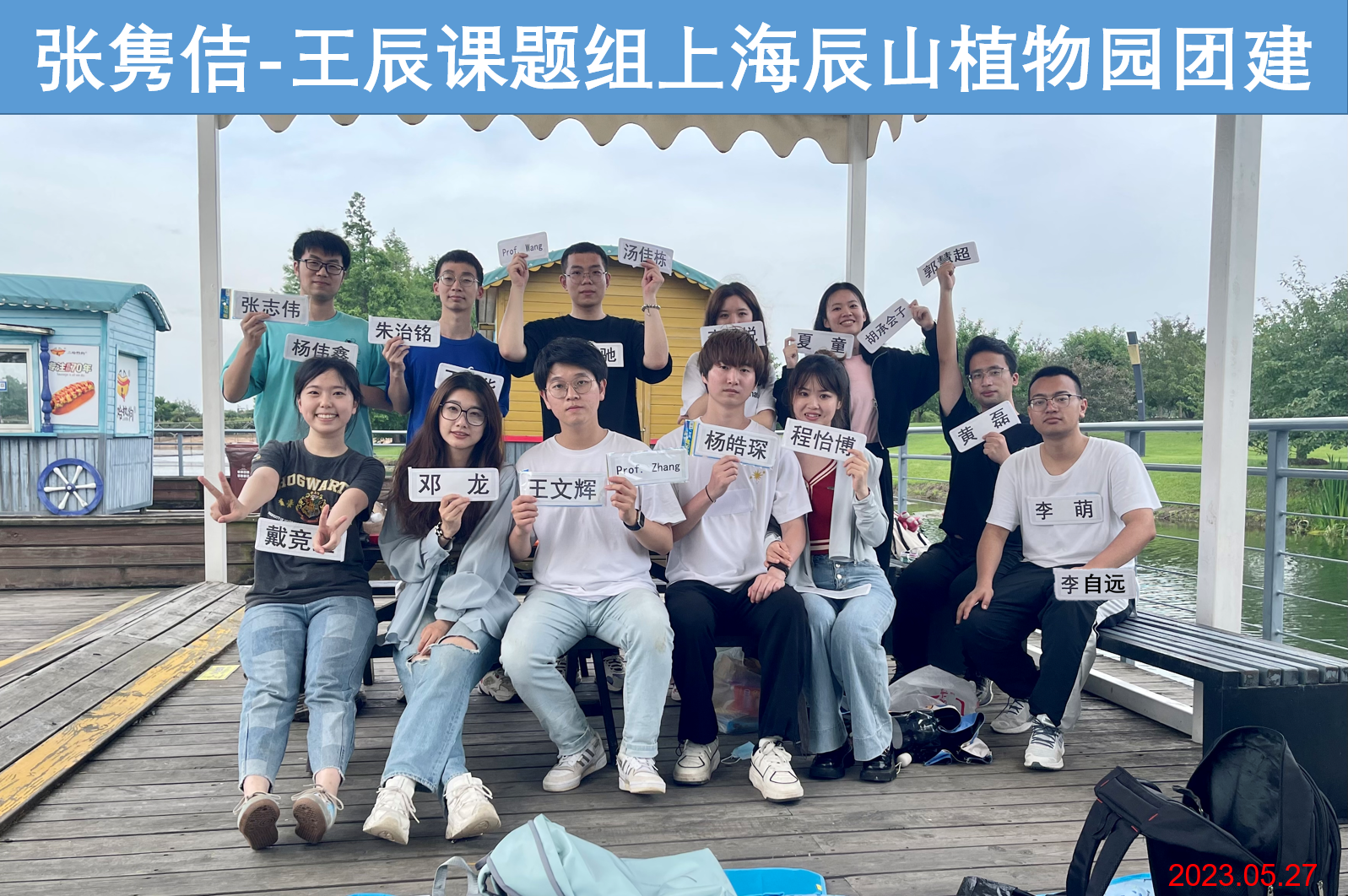
张隽佶-王辰课题组上海辰山植物园团建
友情链接
华东理工大学化学与分子工程学院
华东理工大学研究生院
中国知网